
How a Japanese hospitality veteran is bringing world-class service to one of northern Vietnam’s most compelling golf destinations.
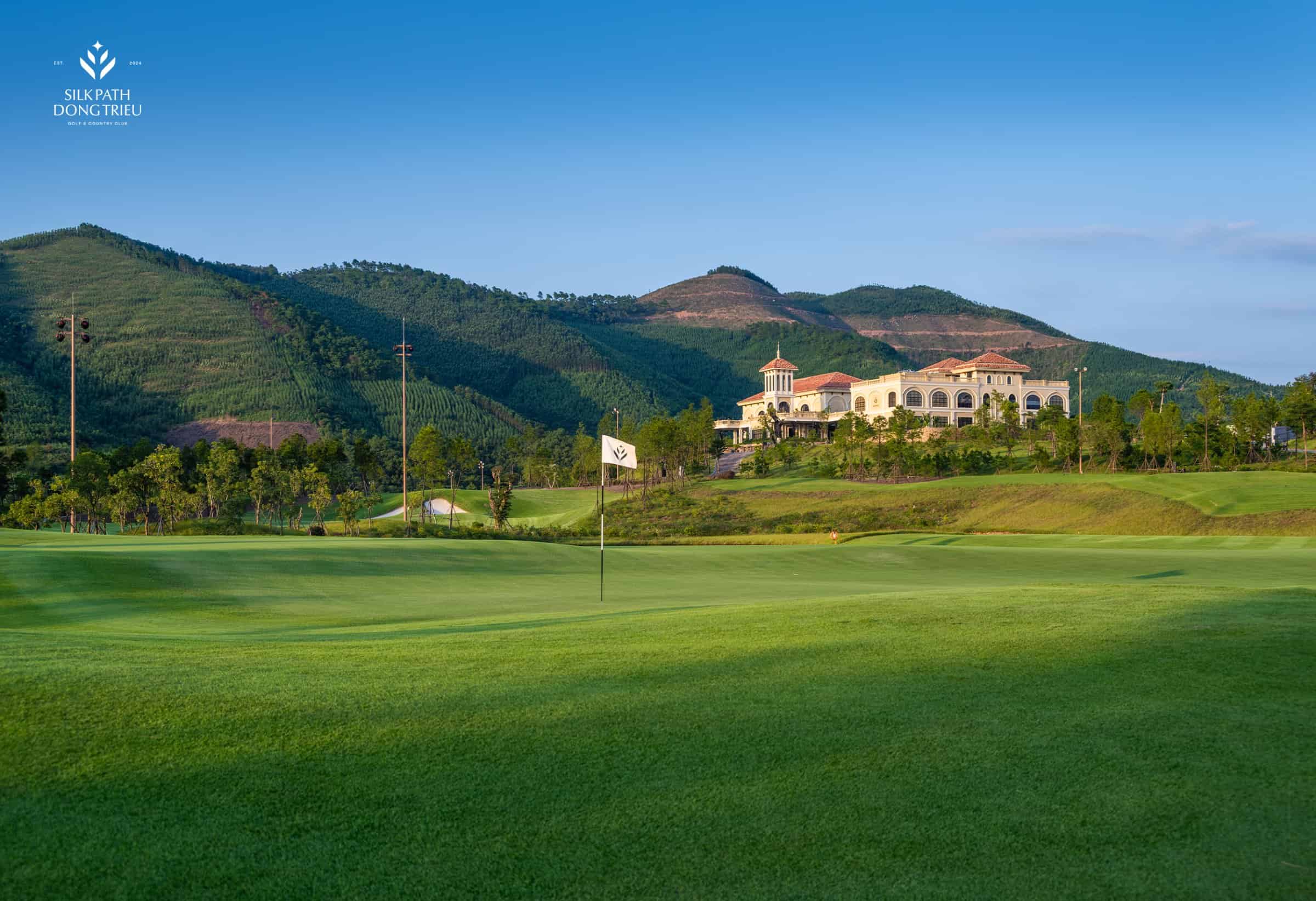
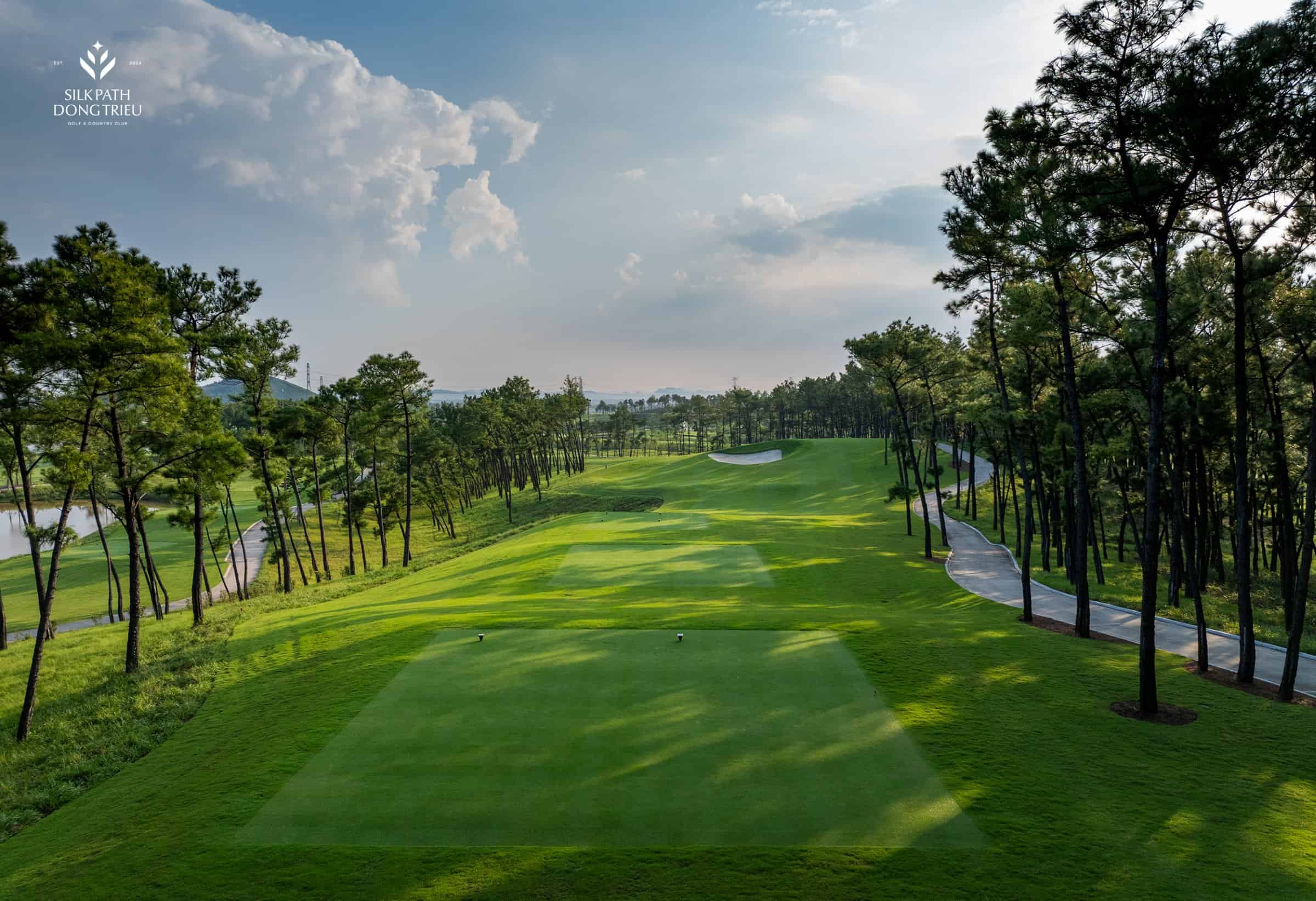
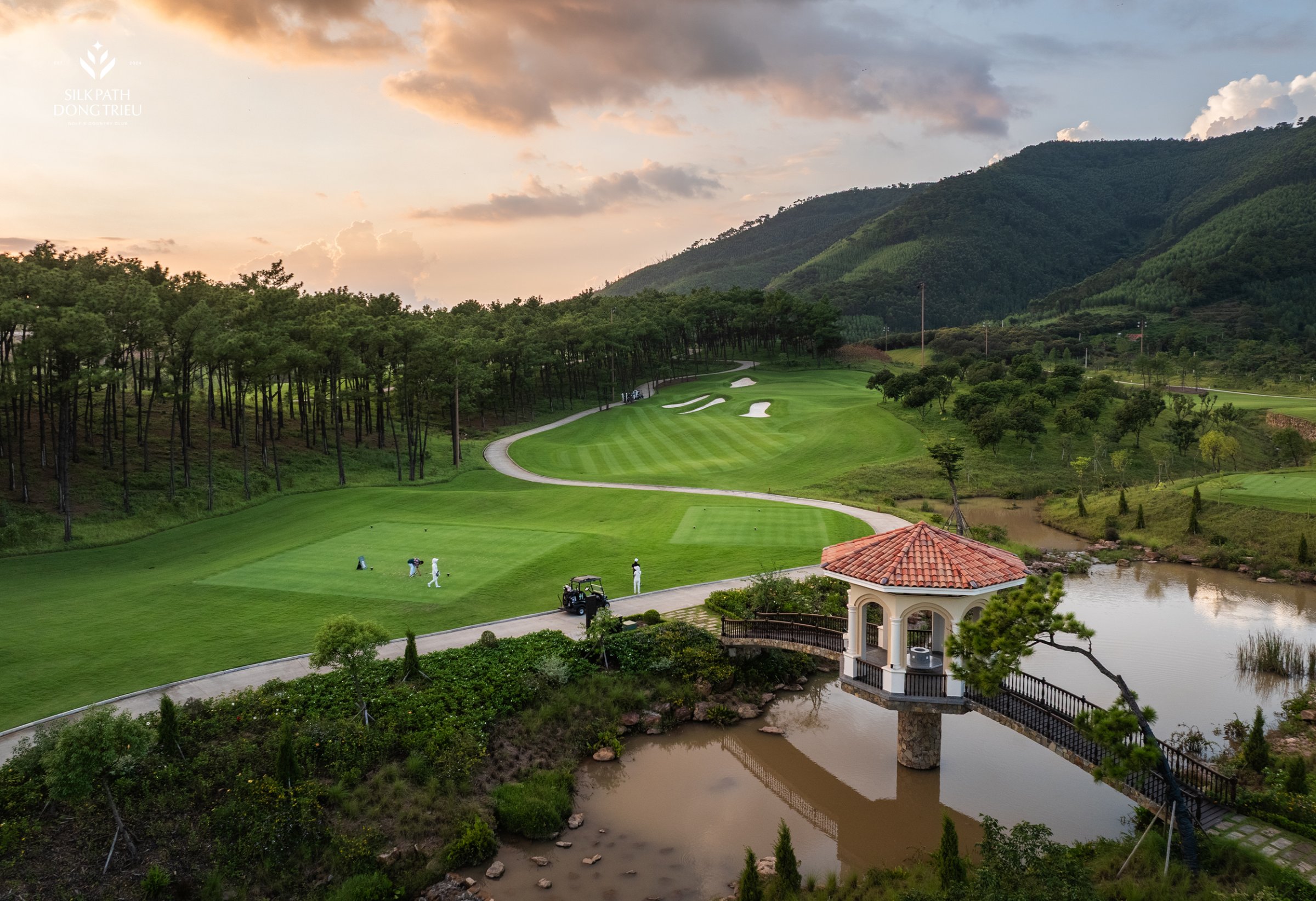
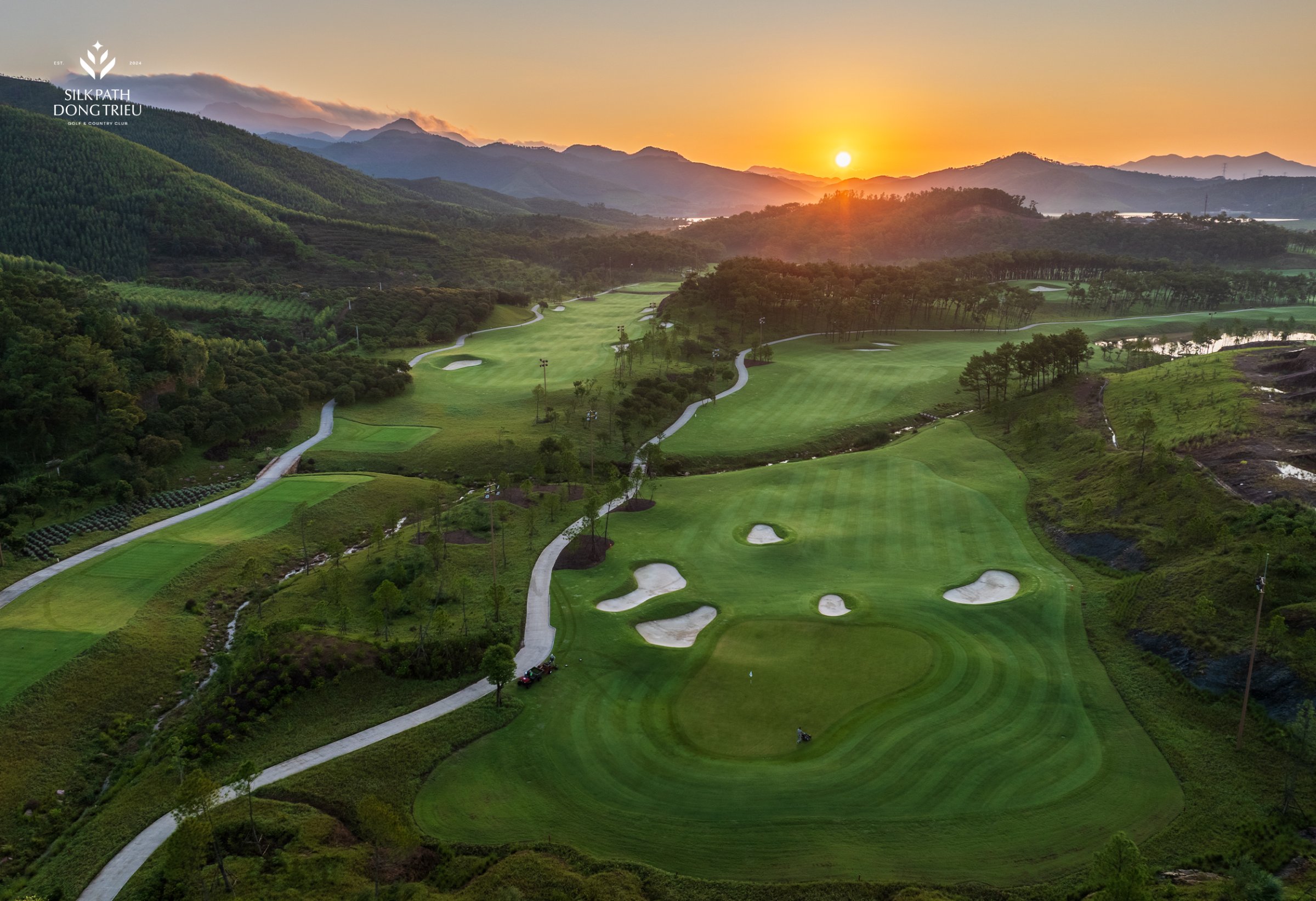
It was early morning when Masayuki Kobayashi first stood on the property at Dong Trieu. The old pine forest was still. There was almost no sound except the wind moving through the trees. Nothing felt forced.
“I understood this place didn’t need to compete,” he says. “It needed to remain true to itself – and simply allow the stillness to settle into you.”
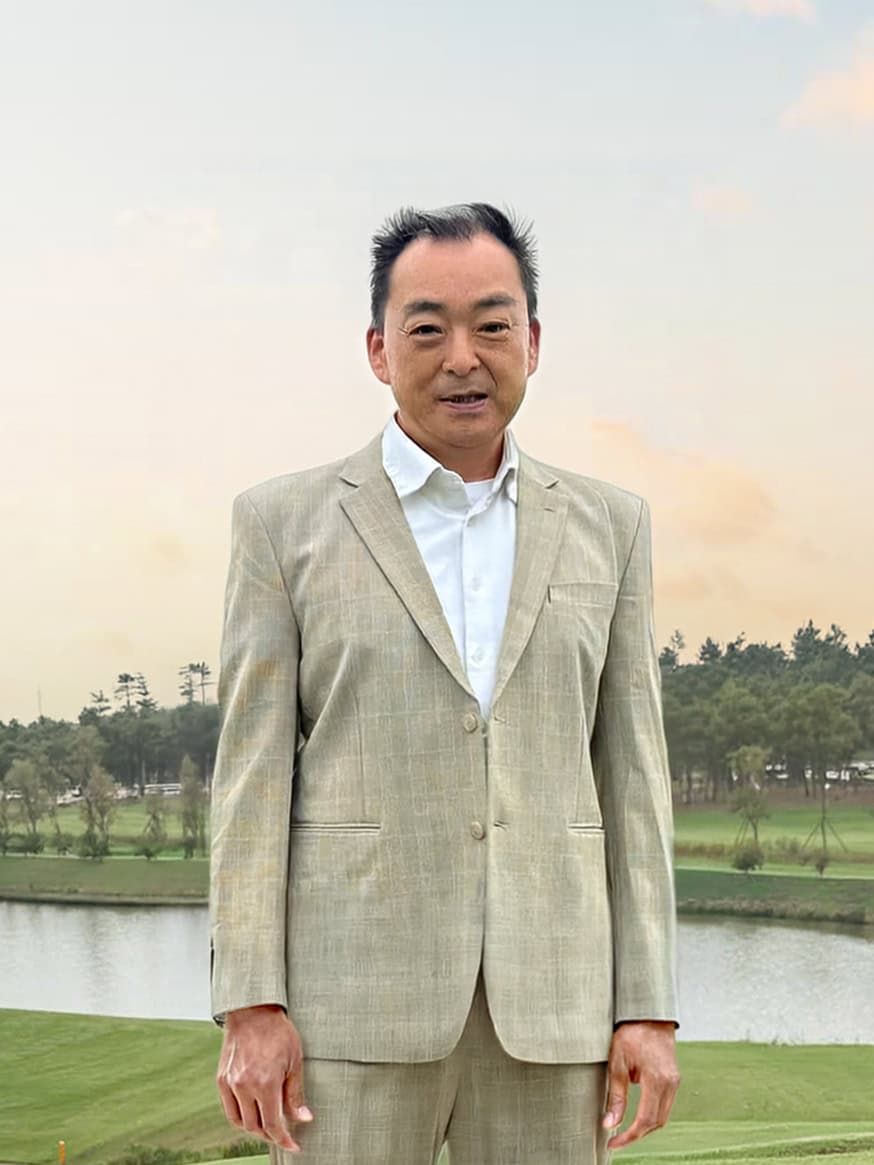
That quiet conviction has guided everything since. As General Manager of Silk Path Dong Trieu Golf & Country Club, Kobayashi brings more than two decades of luxury hospitality experience to a destination that’s still taking shape in Vietnam’s north-east – and that, he says, is precisely why he took the job.
“Managing something already defined is very different from shaping something at its early stage,” he explains. “Dong Trieu came with a real challenge, and that was exactly the appeal. I saw the chance to build it with intention from the very beginning – not just the course, but the hospitality around it. A place people return to not only for the game, but for how it feels to be here.”
Where Discipline Meets Warmth
Kobayashi’s Japanese heritage shows up in ways guests might not immediately notice – but will certainly feel. The timing that seems effortless. Spaces that are always ready. Service that anticipates without ever interrupting.
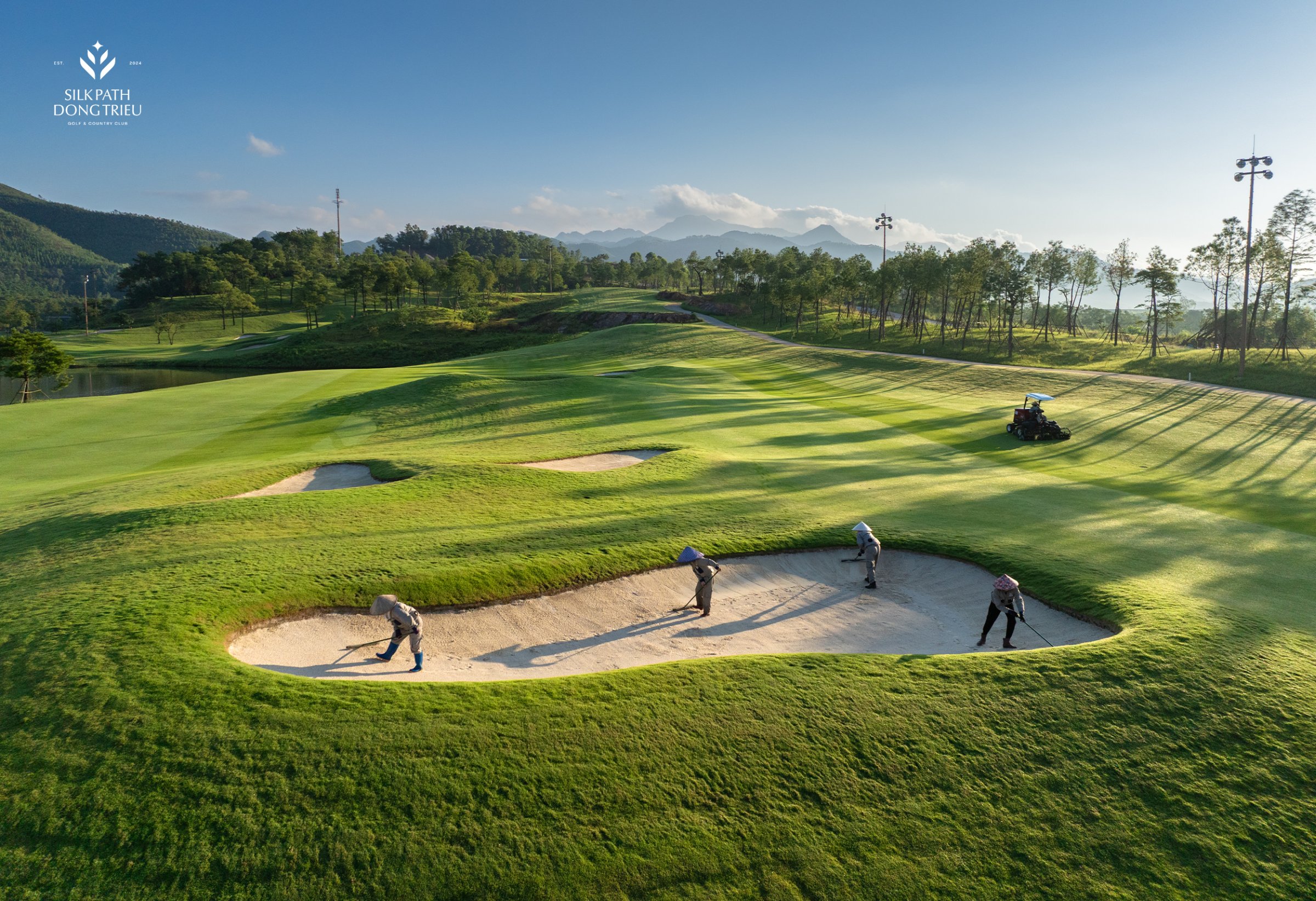
“Japanese hospitality is less about display and more about discipline,” he says. “It’s in the detail – creating an environment where standards are consistent but never rigid, where care is present even when it’s invisible.”
Blending that philosophy with a Vietnamese team has been one of the most rewarding parts of the role. “Vietnamese culture brings genuine warmth and a natural sense of connection – that instinct cannot be taught,” he says. “Here, it’s about bringing the two together. The discipline remains, but the service feels personal and open.”
He pauses. “True hospitality is when structure supports the experience and warmth is what stays with you.”
A Course That Reveals Your Character
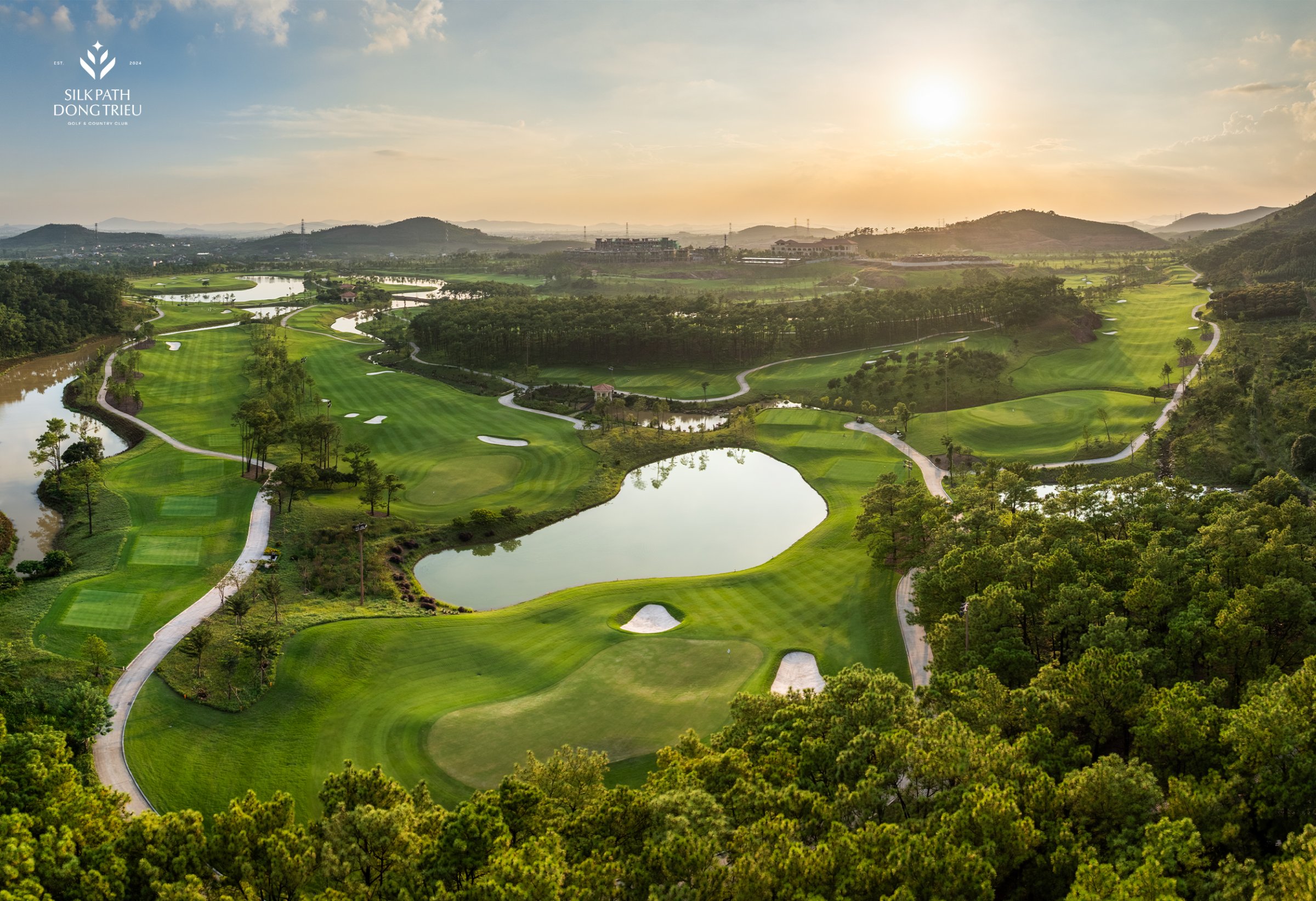
 The golf course itself, designed by Sir Nick Faldo, is not one that rewards brute force. Kobayashi describes it as a layout with real character – one that asks questions rather than simply punishing mistakes.
“It doesn’t reward aggression for its own sake. It rewards strategic judgment,” he says. “Length helps, but placement matters more. Each hole asks you to decide how much to take on, how much to respect. That balance between risk and restraint gives the course its personality.”
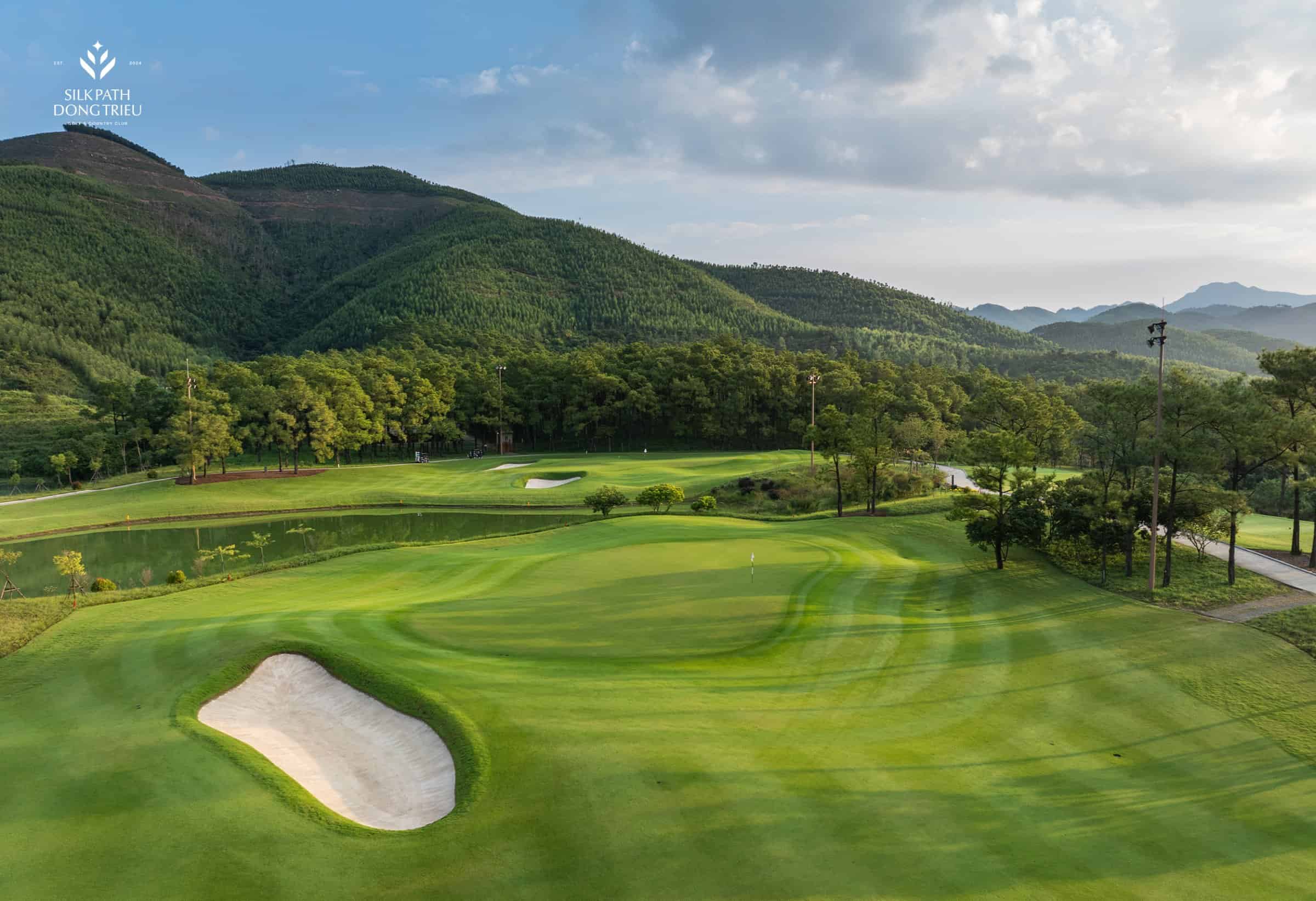
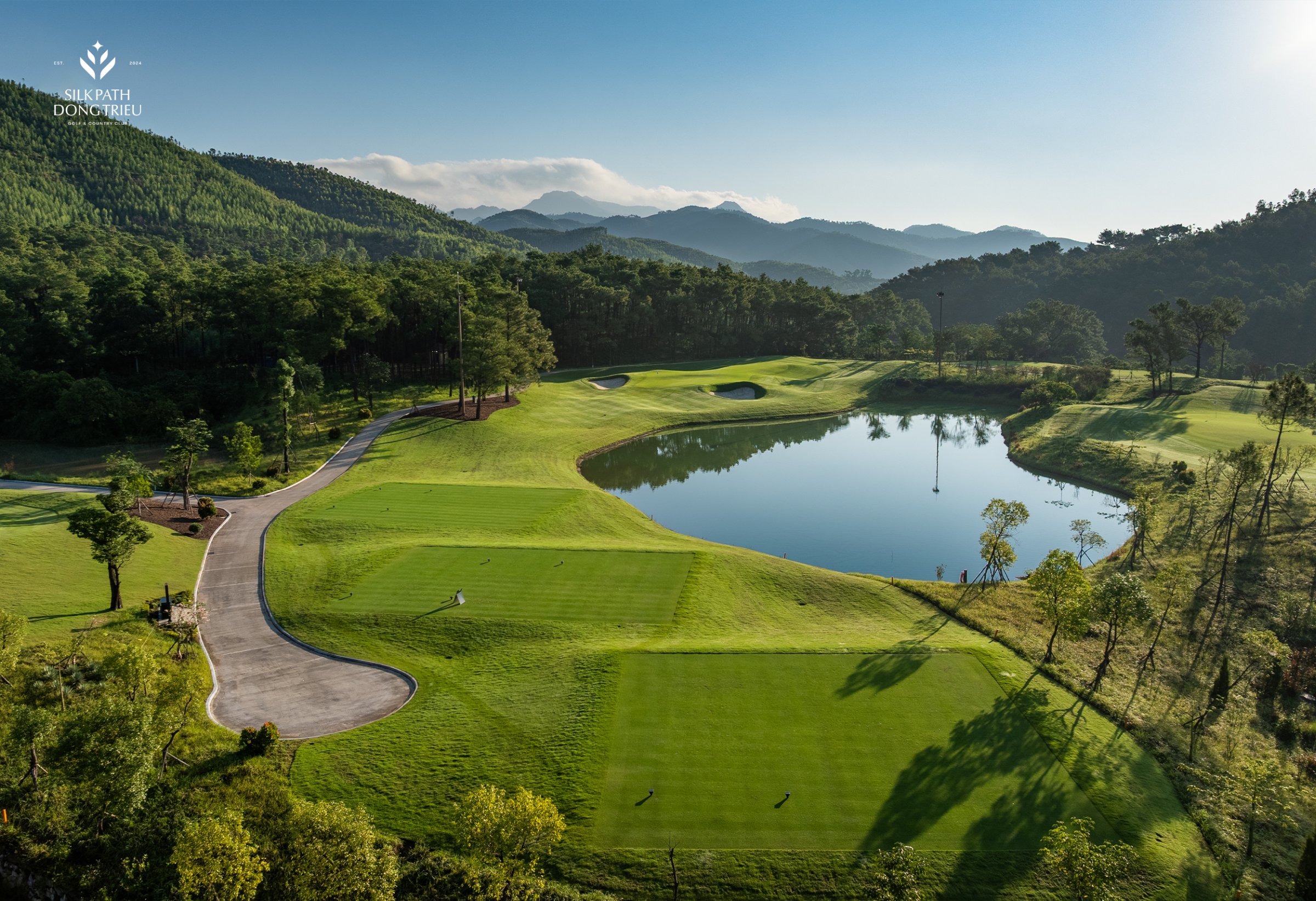
There’s one hole in particular he points to as capturing the spirit of the place – where mountains frame the fairway in a way that feels almost protective, yet the shot demands a precise decision. “You can choose the safer line, or take on more and gain an advantage. It’s visually striking, but it rewards clarity and restraint. That contrast – beauty and discipline – that’s Silk Path.”
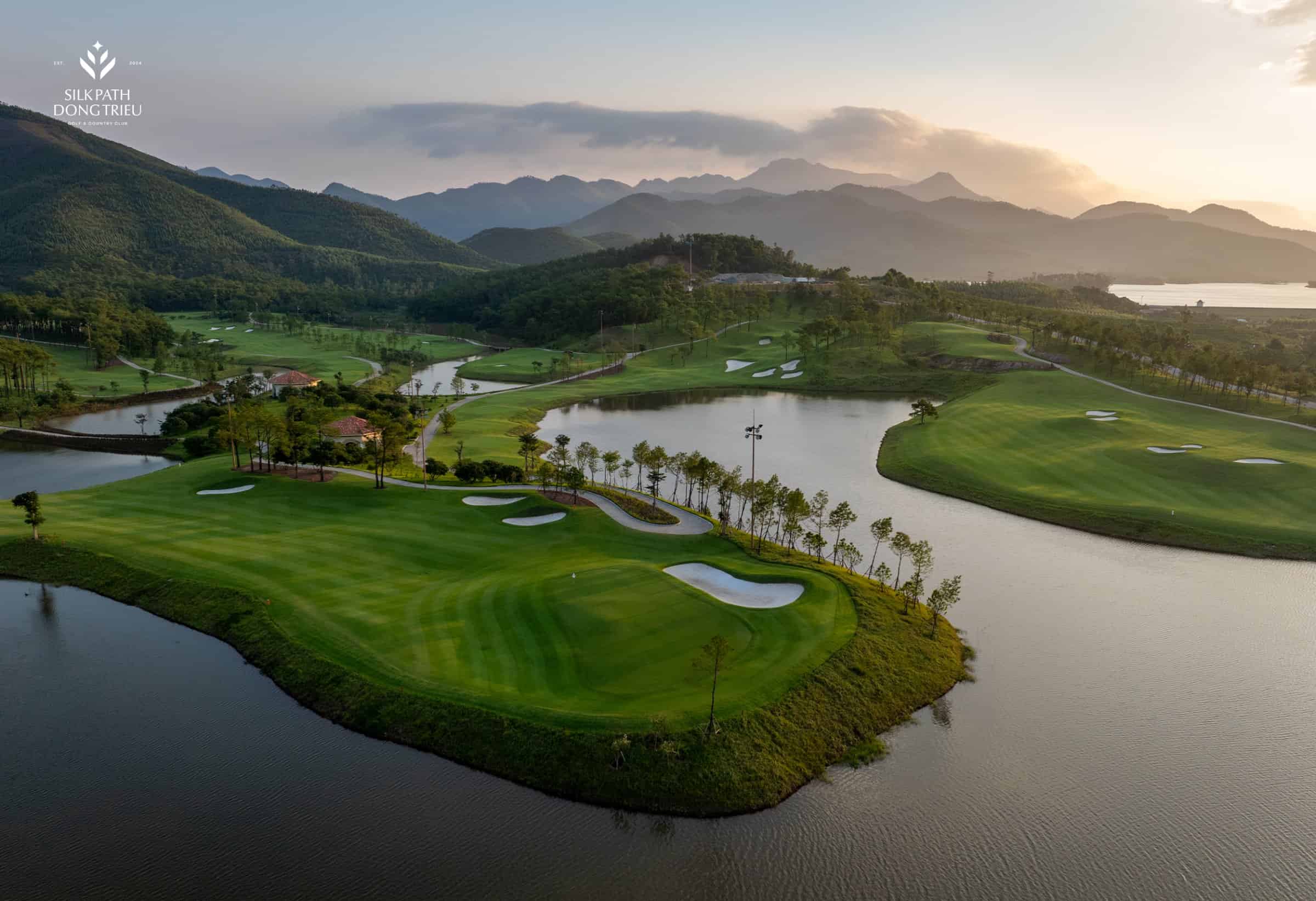
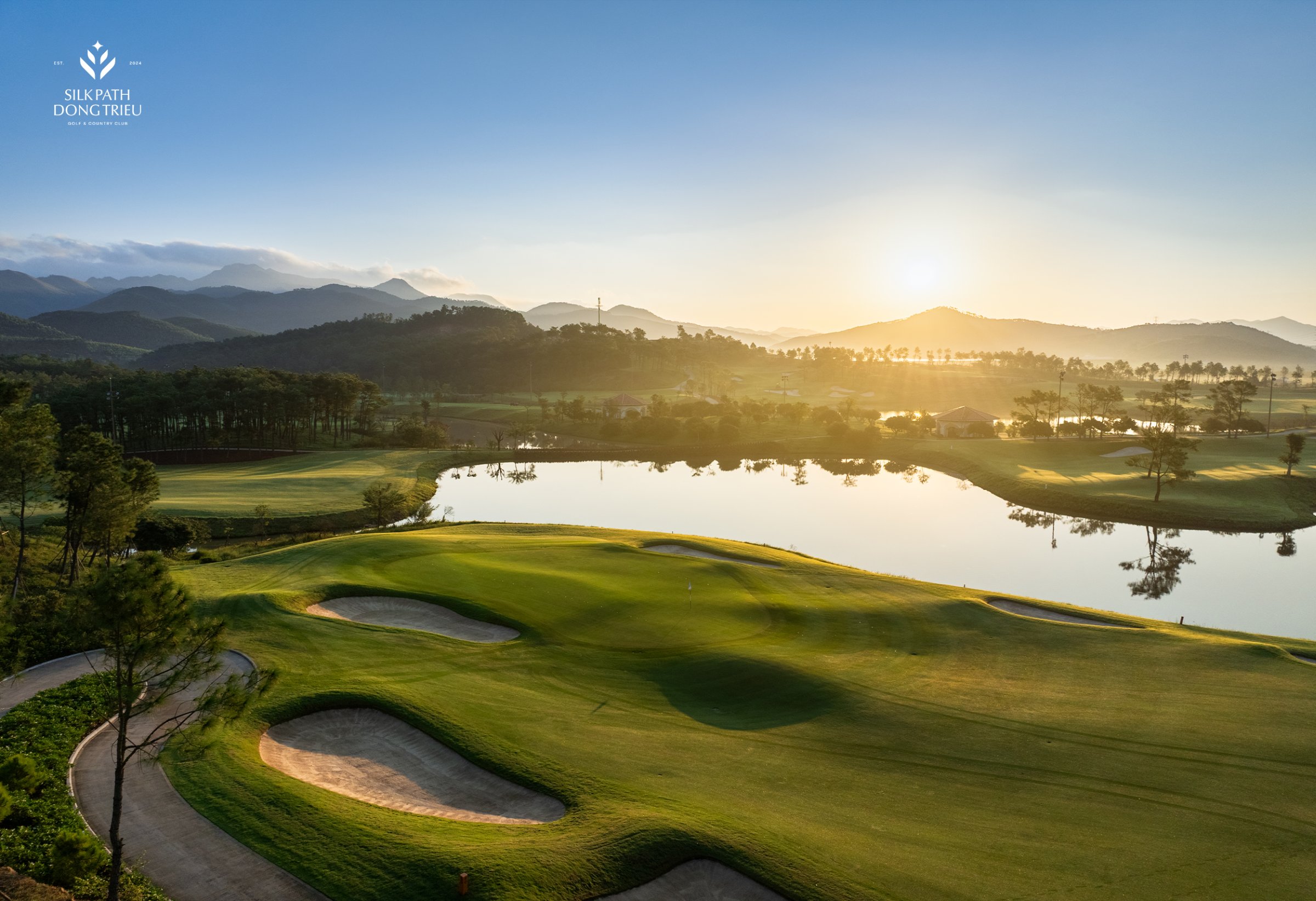
And when asked which hole challenges him personally? He smiles. “The par-4 14th. It isn’t very long, but it demands attention from the very first shot. The lake guards the right side – often calm, sometimes with swans drifting across – and it looks inviting. But the fairway undulates more than you expect, and positioning becomes everything. It reminds me that good golf is more about control than strength.”
The Drive That Becomes a Reset
For visiting golfers based in Ha Long, Silk Path Dong Trieu is a drive inland – away from the bay, into the mountains. Kobayashi doesn’t see that as a detour.
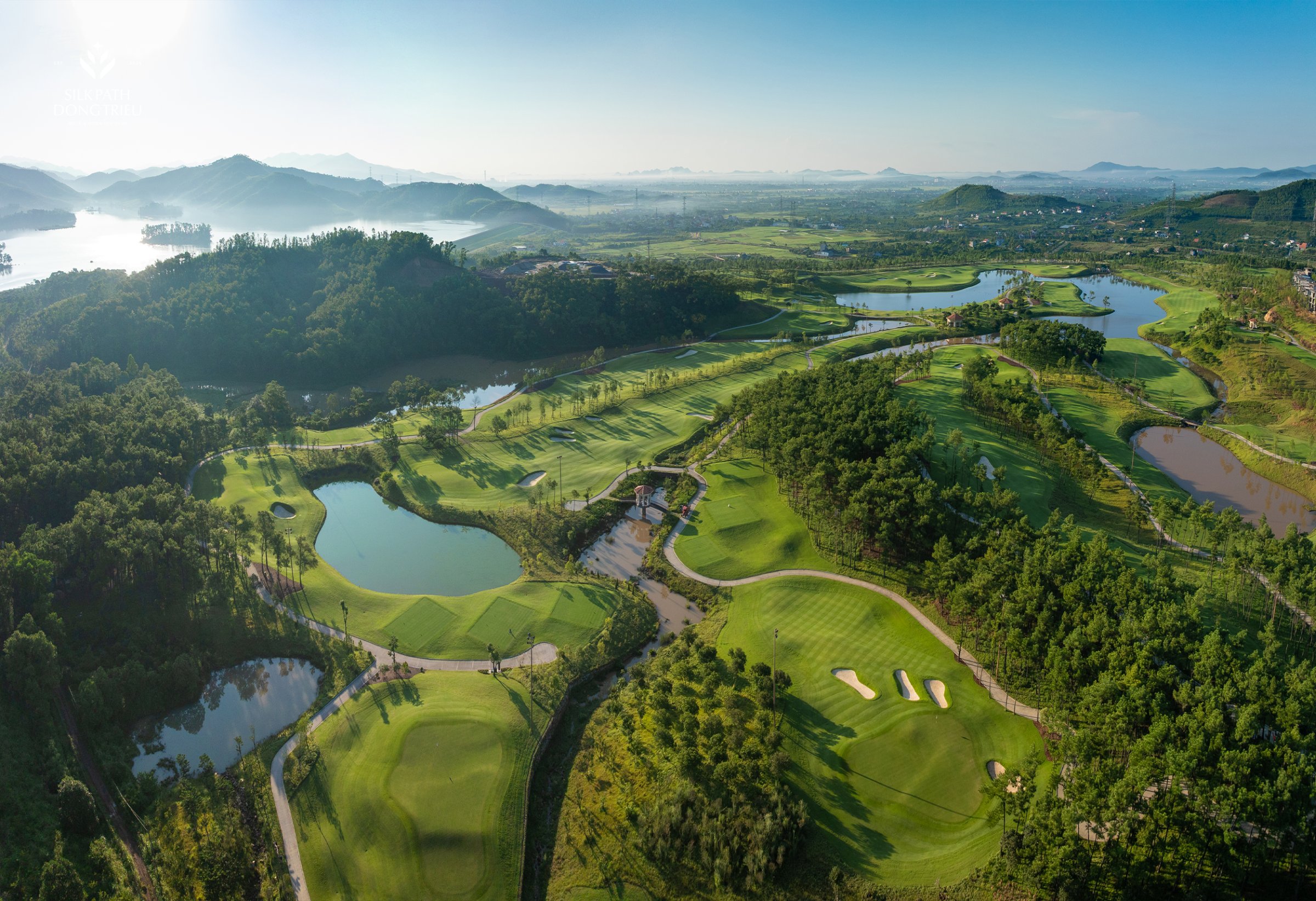
“It’s a reset,” he says simply. “What you gain is space – space to think, to focus, and to play with intention, framed by mountain ridgelines and towering ancient pine groves. For many golfers, that magnitude of nature changes the way the game feels.”
It’s a philosophy that extends to how he sees northern Vietnam’s future as a golf destination. While Danang and Pattaya have built strong tourism infrastructure and global recognition, Kobayashi believes the north offers something fundamentally different.
“Northern Vietnam has a larger sense of scale, true seasonality, and authenticity,” he says. “The landscape and playing conditions shift throughout the year, giving golfers a renewed experience each time they return. To stand alongside established destinations, it doesn’t need imitation. It needs visibility, clarity of positioning, and the confidence to define its own identity.”
What Stays With You
After twenty-plus years of welcoming guests, Kobayashi says the thing that still excites him is surprisingly simple: the quiet moment when someone realises they’ve been understood.
“Every guest arrives with a different expectation, a different pace, a different story,” he says. “What still excites me is creating small moments that surprise people positively. Earning their trust – that’s what continues to inspire me.”
And when a golfer leaves Silk Path Dong Trieu after their first round, what does he hope stays with them?
“Not simply the satisfaction of navigating a strategic layout, but a sense of genuine renewal,” he says. “The course engages the mind. The hospitality restores the rhythm. From the mountain air to the warmth of the clubhouse, everything is designed to bring you back to balance. You leave not simply having played well, but feeling re-centred, re-energised, and connected – to the game, to the place, and to those you shared it with.”
Standing in the pine forest at Dong Trieu, with the mountains quiet around you, it’s easy to believe him.
Silk Path Dong Trieu is one of the standout courses on Golfasian’s northern Vietnam golf itineraries, easily combined with Ha Long Bay, Haiphong, and Hanoi for a complete golf holiday in Asia. Whether you’re planning your first trip to Vietnam or looking for something beyond the usual Danang circuit, our team can put together a tailor-made package around the courses, hotels, and experiences that suit your group. Get in touch anytime.